The MENA Dietary Supplement Market Is Booming
From Gulf Pharmacies to E-Commerce Platforms, a Multi-Billion Dollar Industry Is Finding Its Footing Across the Middle East and North Africa.
A Market That Can No Longer Be Ignored
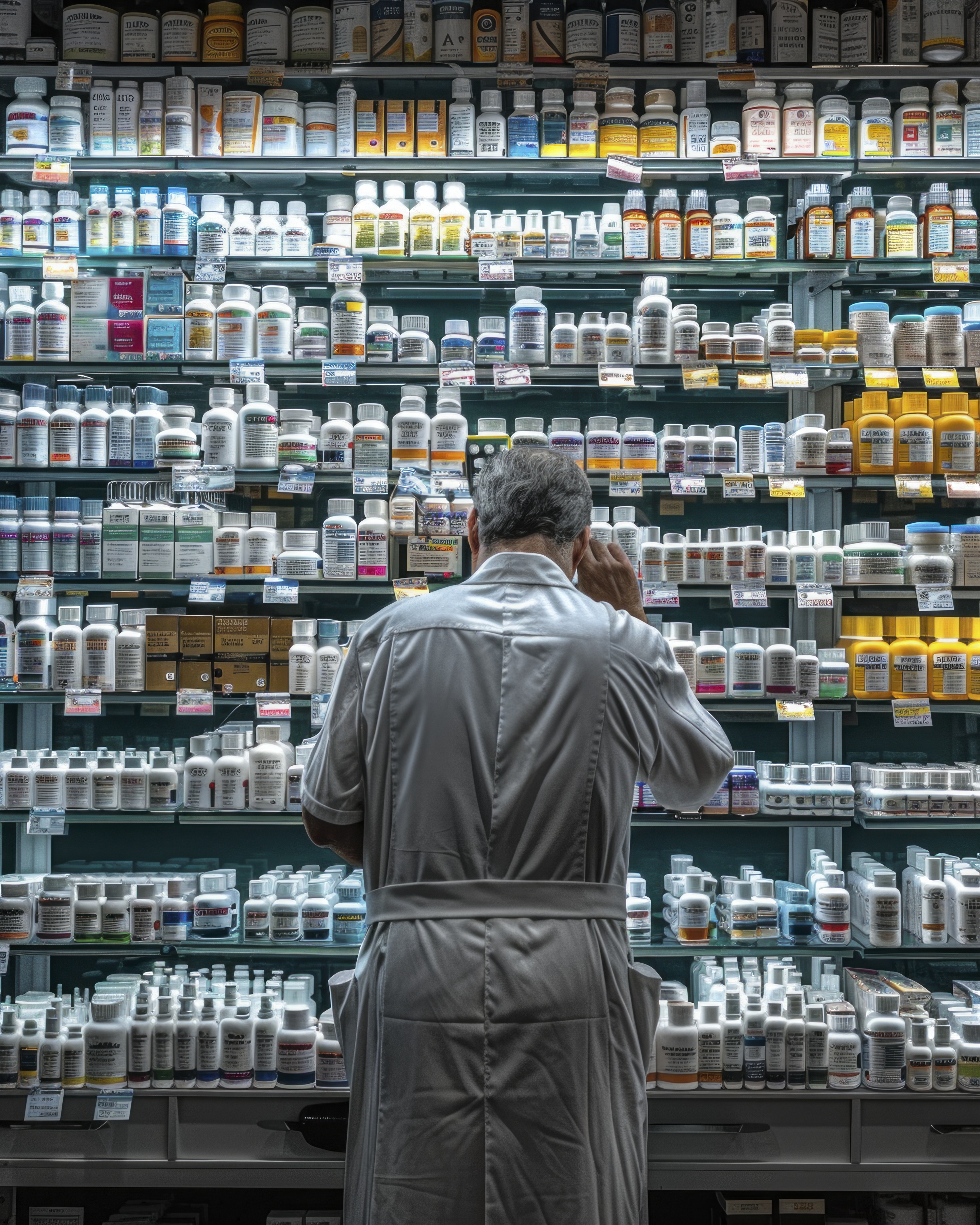
Walk into any pharmacy in Dubai, Riyadh, or Cairo today, and the supplement aisle tells a story. Shelves that a decade ago were stocked almost exclusively with foreign-imported brands from the US and Europe are now crowded with regional labels, Arabic packaging, and locally manufactured products competing for shelf space. Online, the picture is even more dramatic — wellness e-commerce across the MENA region has exploded, with supplement brands among the fastest-growing categories on platforms like Noon, Namshi, and Amazon.ae.
The numbers back this up. The MENA dietary supplement market was valued at approximately $5.3 billion in 2023 and is forecast to reach over $9 billion by 2030, growing at a CAGR of around 8 to 9 percent. While that growth rate might seem modest compared to some tech sectors, in a region with this demographic profile, this level of healthcare infrastructure investment, and this degree of unaddressed nutritional need, it signals something more durable: a structural shift in how MENA consumers relate to their health.
This is not a trend. It is a transformation.
Understanding Why the Market Is Growing Now
Timing matters in every market story. Several forces have converged simultaneously to make this moment the inflection point for MENA supplements — and understanding them helps explain both the pace and the direction of growth.
The health crisis hiding in plain sight. The GCC countries have some of the highest rates of chronic lifestyle diseases in the world. Type 2 diabetes affects an estimated 20 to 30 percent of adults in Saudi Arabia, the UAE, and Kuwait. Vitamin D deficiency affects an extraordinary percentage of the population — studies in Saudi Arabia have found deficiency rates above 50 percent even in a sun-rich climate, largely due to indoor lifestyles, modest dress, and limited dietary sources. Iron deficiency anemia, particularly among women, remains widespread. These are not abstract public health statistics. They are daily, lived experiences that drive millions of consumers toward the supplement aisle looking for answers.
Post-pandemic health consciousness. COVID-19 accelerated a consumer behavioral shift that was already underway. Across MENA, surveys conducted between 2021 and 2023 consistently showed surges in supplement purchasing — vitamin C, zinc, vitamin D, and immune support products saw double and triple-digit growth during the pandemic period. More importantly, a significant portion of those new buyers have stayed. The habit was formed. The awareness was raised. And consumers who had never previously thought about their nutritional baseline are now thinking about it every day.
A young population with disposable income and high digital engagement. The median age in the GCC is under 30. In Egypt, Saudi Arabia, and Jordan, it is lower still. This is a demographic that grew up with smartphones, that treats social media as a primary source of health information, and that aspires to a wellness lifestyle — gym culture, clean eating, biohacking, and yes, supplements — with genuine conviction. And crucially, in the Gulf states specifically, a significant subset of this young population has substantial disposable income. They are willing to pay for quality, and they are skeptical of cheap, unverified products.
Government investment and Vision 2030 alignment. In Saudi Arabia, the UAE, and several other Gulf states, national development agendas have placed healthcare and preventive health at the center of long-term strategy. Saudi Vision 2030 explicitly targets a reduction in chronic disease burden and an increase in health spending. The UAE’s National Preventive Health Strategy sets ambitious targets for reducing obesity, diabetes, and cardiovascular disease prevalence. These government frameworks are not just rhetorical. They translate into regulatory modernization, healthcare infrastructure investment, and a general cultural endorsement of preventive wellness — which is excellent tailwind for the supplement industry.
The Product Categories Driving Growth
Not all supplement categories are growing equally. The MENA market has its own set of consumer priorities that differ meaningfully from North American or European markets.
Vitamin D and immune support remain the single largest growth drivers, fueled by genuine clinical need and reinforced by sustained post-pandemic awareness. Vitamin D supplementation has gone from a niche recommendation to mainstream consumer behavior across the Gulf, with pharmacists now routinely suggesting it to patients and physicians increasingly prescribing it.
Protein and sports nutrition have experienced extraordinary growth, particularly in the UAE and Saudi Arabia, where gym culture has become deeply embedded in urban identity. Whey protein, plant-based protein, creatine, and pre-workout supplements are no longer just for bodybuilders — they are everyday purchases for the urban professional class. The region now hosts some of the world’s largest fitness expos, and the sports nutrition category has matured rapidly from a import-dependent niche to a locally manufactured, locally branded competitive landscape.
Women’s health is an increasingly significant and underserved segment. Iron supplementation, folate, prenatal vitamins, and bone health products targeting women have seen consistent growth as awareness around women’s nutritional needs increases. Brands that speak directly to women’s health concerns — rather than treating female consumers as a secondary audience — are finding strong resonance.
Weight management and metabolic health supplements have seen dramatic growth, unsurprisingly given the region’s obesity statistics. Appetite management, blood sugar support, and metabolism-focused products are growing rapidly, though this category also carries the highest regulatory and quality risk — it attracts the most dubious products alongside legitimate formulations.
Beauty from within — collagen, biotin, hyaluronic acid, and skin-focused supplement blends — has exploded, driven heavily by social media and influencer culture. In markets where beauty investment is culturally significant and consumers are skeptical of topical products alone, the ingestible beauty category has found an enthusiastic audience.
The E-Commerce Acceleration
Physical pharmacy retail remains the dominant distribution channel for supplements across MENA — but the balance is shifting faster than most observers expected.
E-commerce now accounts for an estimated 25 to 35 percent of supplement purchases in the UAE and Saudi Arabia, up from single digits just five years ago. That figure is growing. Several dynamics are driving this:
Direct-to-consumer supplement brands, many of them subscription-based, have found that MENA consumers are receptive to the model once trust is established. The challenge — and the opportunity — is that trust must be built differently in this region than in the West. Consumers want local language content, Halal certification visibility, regional endorsements, and ideally a local physical presence or address, even if the product is manufactured elsewhere.
Social commerce is a particularly powerful channel in the Arab world. Saudi Arabia and Egypt are among the highest social media usage markets globally, and platforms like TikTok, Instagram, and Snapchat have become legitimate supplement discovery and purchase channels. Influencer-led supplement brands have found it possible to go from zero to meaningful revenue faster in MENA than almost anywhere else — provided the influencer has genuine credibility with their audience on health topics.
Cross-border e-commerce, particularly from the UAE acting as a regional hub, has enabled brands to test the broader MENA market without individually establishing in each country — a significant practical advantage given the regulatory complexity of operating across fourteen-plus distinct regulatory environments simultaneously.
Halal Certification: A Competitive Moat, Not a Checkbox
Of all the differentiating factors in the MENA supplement market, Halal compliance deserves the most attention — and receives, from most global brands, the least.
Muslim consumers across MENA are becoming increasingly sophisticated about what Halal actually means in the context of supplements. It is not simply an absence of pork-derived gelatin. It encompasses the full supply chain: the source of amino acids, the extraction solvents, the encapsulation materials, the manufacturing facility conditions, and the certification body. A Halal logo from a credible certification authority, backed by transparent ingredient sourcing and genuine process compliance, is a powerful purchasing signal. A weak or questionable Halal claim is rapidly becoming a liability.
For global brands entering the market, this requires genuine investment — not a box-ticking exercise. For regional brands, it represents a natural advantage that they often fail to articulate loudly enough. The opportunity is clear: make Halal integrity a brand foundation, not an afterthought, and build the credibility to prove it.
This dynamic extends beyond the GCC. In Egypt, Morocco, Indonesia-influenced diaspora communities, and across the African Muslim belt, the same consumer expectation applies. A brand that builds its Halal credentials credibly in MENA has a template that travels.
Regulatory Landscape: Increasingly Sophisticated, Still Fragmented
The regulatory environment for dietary supplements across MENA is modernizing, but remains complex and inconsistent across borders.
The UAE’s Ministry of Health has one of the more developed supplement registration frameworks in the region, with clear product registration requirements, health claims guidelines, and quality standards. Saudi Arabia’s SFDA (Saudi Food and Drug Authority) has progressively tightened its supplement oversight, requiring registration for a wider range of products and increasing enforcement against substandard imports. Egypt’s regulatory framework, while older and sometimes slower-moving, is in the process of reform.
Across North Africa — Morocco, Algeria, Tunisia — frameworks vary considerably, and enforcement capacity is more limited. This creates both risk (for brands relying on regulatory gaps) and opportunity (for brands that choose to meet a higher standard voluntarily and use that as market positioning).
The overall direction is clear: regulation is tightening, not loosening. Brands that invest in compliance now — proper product registration, substantiated claims, third-party quality testing, and local regulatory relationships — will have a significant advantage as enforcement increases. Brands that treat regulatory compliance as optional are building on sand.
Who Is Building in This Space
The competitive landscape in MENA supplements is genuinely interesting — a layered mix of established incumbents, ambitious local challengers, and international brands with varying degrees of regional commitment.
Global supplement giants — Herbalife, Shaklee, Amway, and large pharma-affiliated nutraceutical divisions — have long had a presence in MENA, often through direct selling models. Their distribution reach is substantial, but their product range is largely generic and their cultural localization is often superficial.
A second tier of international brands — primarily from the US and Europe — distributes through regional importers and pharmacy chains. These brands benefit from the aspirational quality perception that many MENA consumers attach to Western-origin supplements, but they face growing challenges around Halal compliance, price competitiveness, and the increasing capability of local alternatives.
The most interesting category is the emerging cohort of MENA-native supplement brands. UAE-based brands like Wellbeing Nutrition (though originally Indian, it has expanded aggressively in the Gulf), Gulf-based formulation companies, and an increasingly active set of Saudi and Egyptian supplement startups are building with cultural context embedded from day one. These brands understand the consumer, speak the language — literally and culturally — and are increasingly capable of matching international quality standards at competitive price points.
The Challenges That Remain
Honest market analysis requires acknowledging the friction points. Several challenges will shape how this market develops over the coming decade:
Consumer education is still a significant gap. Much of the supplement purchasing in MENA is driven by social media content of highly variable quality. Misinformation about supplement benefits, unsafe product combinations, and unrealistic outcome claims are common. Brands that invest in genuinely educational content — not just marketing — are building something more durable than those riding the misinformation wave.
Quality control and adulteration remain real concerns, particularly in lower-price segments and in markets with limited enforcement. Several high-profile cases of adulterated sports nutrition products (containing undisclosed stimulants or steroids) have made headlines in the Gulf, and consumer trust is fragile in categories associated with those incidents. Third-party testing, certificates of analysis made publicly available, and transparent manufacturing disclosures are increasingly expected by sophisticated consumers.
Price sensitivity outside the Gulf is a genuine constraint. Egypt, Morocco, Jordan, and Tunisia all have large populations with more limited purchasing power. The supplement brands that will scale in these markets need a pricing strategy and a product range that works at a different price point than the GCC — without compromising on quality in ways that damage trust.
What Comes Next
The MENA dietary supplement market in 2030 will look significantly different from today — not just bigger, but more sophisticated, more locally rooted, and more integrated with broader digital health infrastructure.
Personalization will move from a niche premium tier to a mainstream expectation, as AI-driven health assessment tools and affordable biomarker testing make tailored supplementation recommendations accessible to a wider consumer base.
Functional foods will blur the line with traditional supplements, as local food brands embed nutritional fortification into culturally familiar products — a protein-enriched laban, a vitamin D-fortified dates product, a moringa-infused tea sold as both food and wellness. This is a category that MENA is uniquely positioned to lead globally given its extraordinary botanical and culinary heritage.
Regulatory harmonization, at least within the GCC, is likely to progress — making it easier for brands to register once and distribute across the bloc. The Dubai and Riyadh health-tech ecosystems will continue attracting investment and talent that will accelerate the sophistication of the local industry.
And the brands that will define the market — the ones that will be category leaders when this market reaches $15 billion and beyond — are almost certainly already operating, or being founded right now.